73 Practical Rules for Web3 Creators From X's New Algorithm Repo
A practical field guide for Web3 creators who want to understand what the new X algorithm repo means for posting, replying, ranking and staying visible.
This is a practical field guide for Web3 creators who want to understand what the new X algorithm repo means for posting, replying, ranking and staying visible.
X's new algorithm repo is not a theory dump. It's a practical map for creators. The useful signals are already visible: what gets ranked, what gets filtered and which Web3 growth tactics now look dangerously close to spam.
X is moving deeper into personalized ranking, content understanding, spam detection, negative feedback, safety systems and predicted user value. For Web3 creators, that matters a lot.
BOOKMARK this and read it every day for the next 7 days to reinforce what you've learned. Or copy the content of this article and send it to your AI writing assistant and use this as a checklist before posting.

Core shift
Core shift: The feed is not a public scoreboard. It is a personalized prediction system.
- A post has to win retrieval before it can win ranking.
- Retrieval means the system knows who should see the post.
- Ranking means the system predicts that viewer will value the post.
- Value is bigger than likes.
- Valuable posts create dwell, replies, quotes, shares, profile clicks and follows.
- Weak posts create skips, mutes, blocks, reports and "not interested" signals.
- The best content wins several positive signals at once.
- The worst content gets engagement but also trains the system that people dislike it.
- Stop thinking only about reach. Start thinking about predicted value per viewer.

Web3 reality
The repo includes XAI_CRYPTOCURRENCY as an official topic. Crypto as a category is not the enemy. Crypto behavior that looks like spam is the danger.
- Crypto is visible as a topic in the code.
- Ticker spam without analysis is risky.
- Airdrop bait is risky.
- Referral loops are risky.
- Giveaway farming is risky.
- Claim links without trust are risky.
- Sponsored content pretending to be neutral analysis is risky.

Content strategy
- Pick a clear category and repeat it until both humans and models understand you.
- Random posting makes distribution harder.
- Strong creators have clear lanes.
- Good lanes for Web3: creator intelligence, X growth, AI x Web3, market analysis, security, tooling, on-chain research and ecosystem maps.
- Turn news into consequences. "This happened" is weak. "This happened, and this is what changes for creators" is stronger.
- Be a filter, not a promoter.
- Be useful before being loud.
- Build content people want to save, quote or send in a group chat.
- Every big post should create a reason to click the profile.
- Every profile click should make the follow decision obvious.

Posting craft
- Start with one clear thesis.
- Name the stakes in the first lines.
- Add proof before making a strong claim.
- Use screenshots, code, charts, examples or direct observations.
- One post should carry one main idea.
- Cut every line that does not move the reader forward.
- A good post should have one sentence people can quote.
- A good post should make someone smarter or safer in less time.
- A good post should still make sense if someone screenshots it.
- The payoff must be stronger than the hook.
- Avoid fake personal details.
- If AI helped analyze something, say it cleanly instead of pretending it was done manually.
Reply strategy
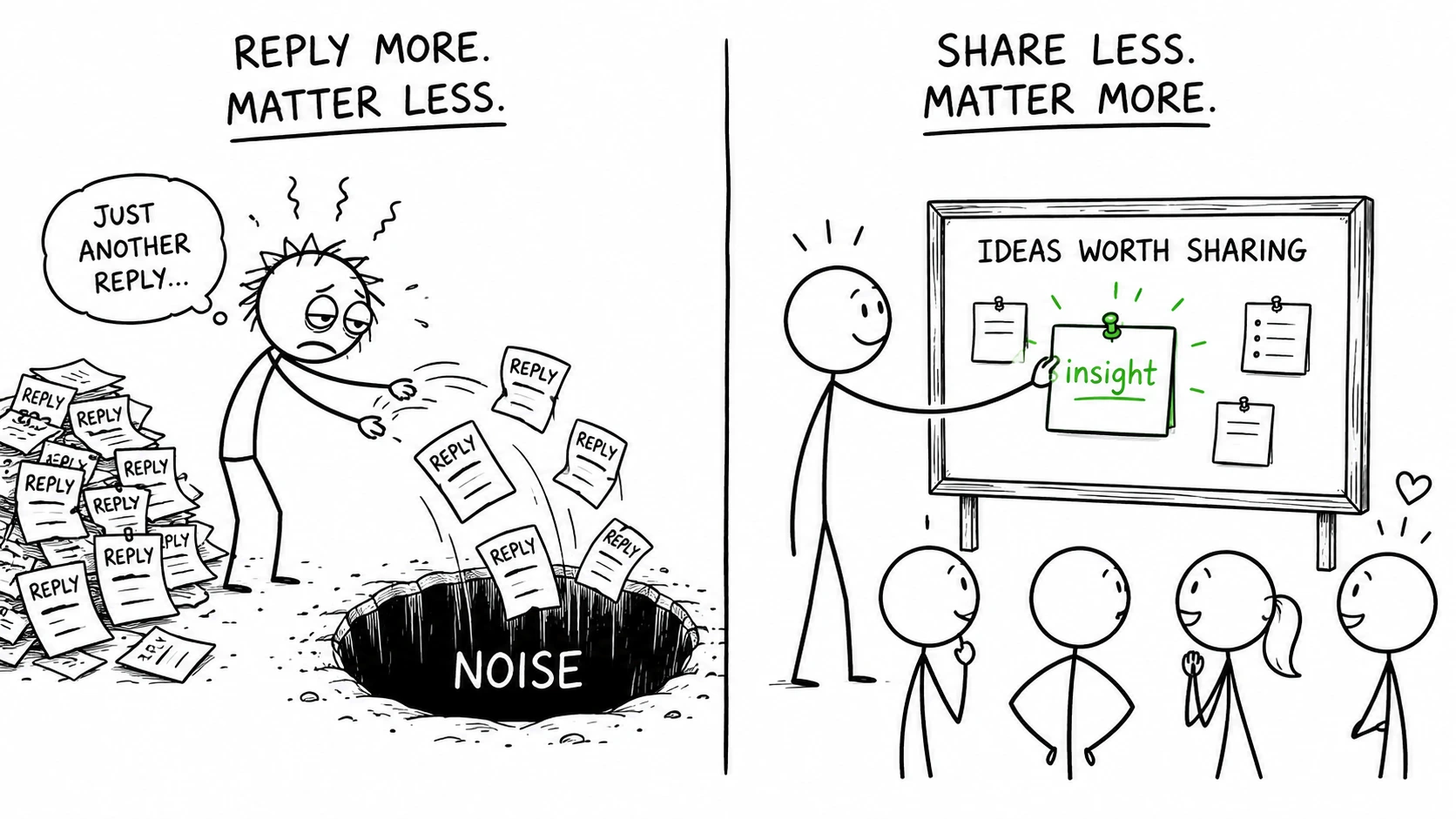
- Reply farming is getting weaker.
- Insight replies are still powerful.
- A good reply is a mini-post.
- Reply where your actual audience already is.
- Add data, examples, context or a useful counterpoint.
- Avoid "agree", "great take", "this", "gm" and emoji-only replies.
- Do not paste the same reply under many posts.
- A reply under a large account has more blast radius.
- Treat high-visibility replies like public content, not casual reactions.
- Turn the best replies of the day into original posts.
Media and video
- Media should explain, not decorate.
- A screenshot needs a written takeaway.
- A chart needs the first conclusion written in text.
- A video needs clear words, not only vibes.
- Transcripts can matter, so say the important words out loud.
- A meme can spread, but a meme without category fit rarely builds a durable creator brand.
Metrics that matter
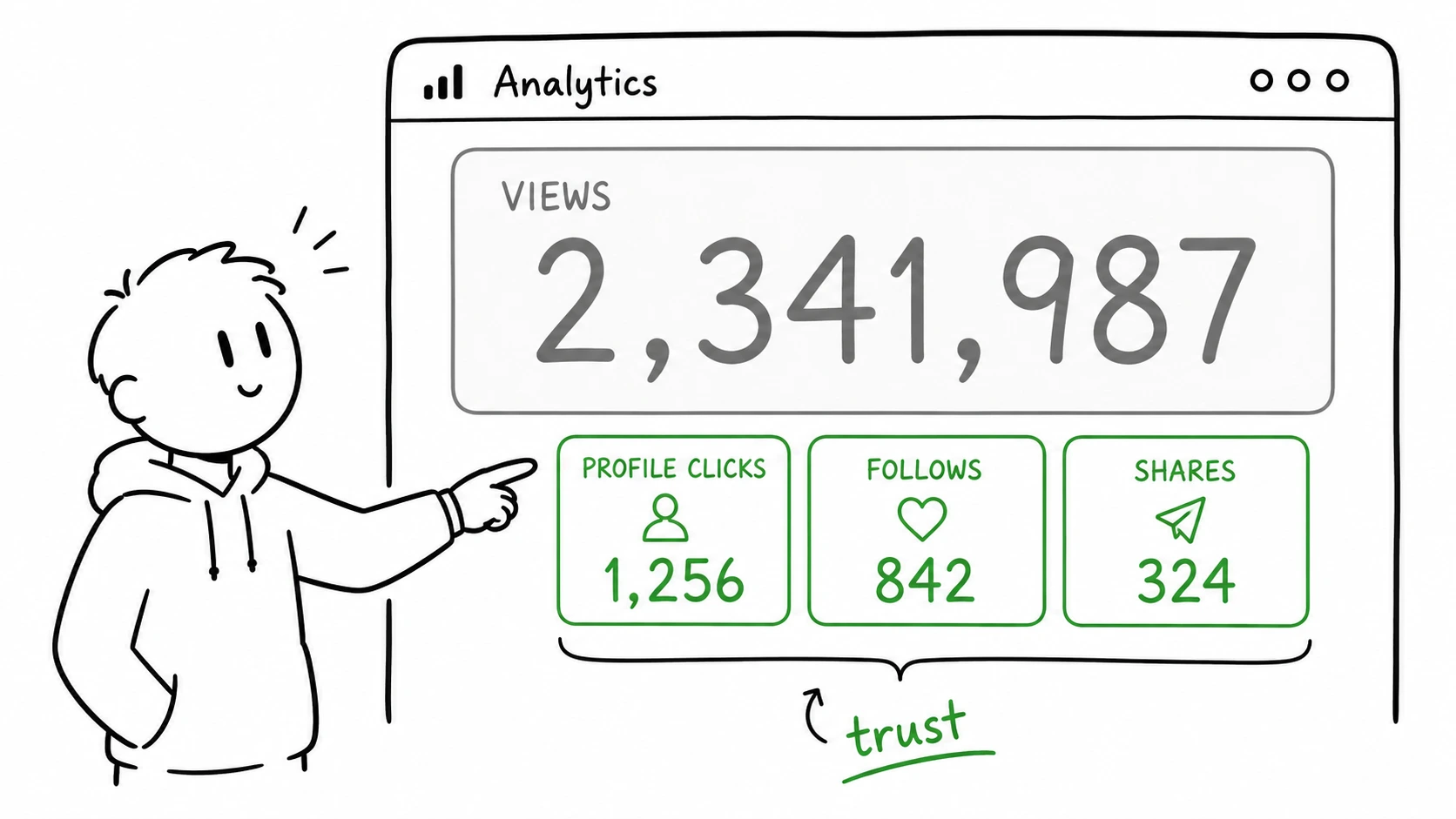
- Views show distribution.
- Profile clicks show curiosity.
- Follows show trust.
- Quotes show social currency.
- Shares show outside-feed value.
- Replies matter only when they are real and useful.
- Negative feedback can erase the value of noisy engagement.
What to avoid
- Do not post link dumps.
- Do not use "alpha" as a replacement for evidence.
- Do not sound like a token promoter when the goal is trust.
- Do not flood the feed with the same angle again and again.
- Do not blame every bad result on a crypto shadowban.
- First check if the post looked like spam, slop, shilling or random market noise.
TL;DR
The new practical game for Web3 creators is simple:
Create posts that are clear enough for the system to categorize, useful enough for people to save, sharp enough for people to quote and trustworthy enough for people to follow.
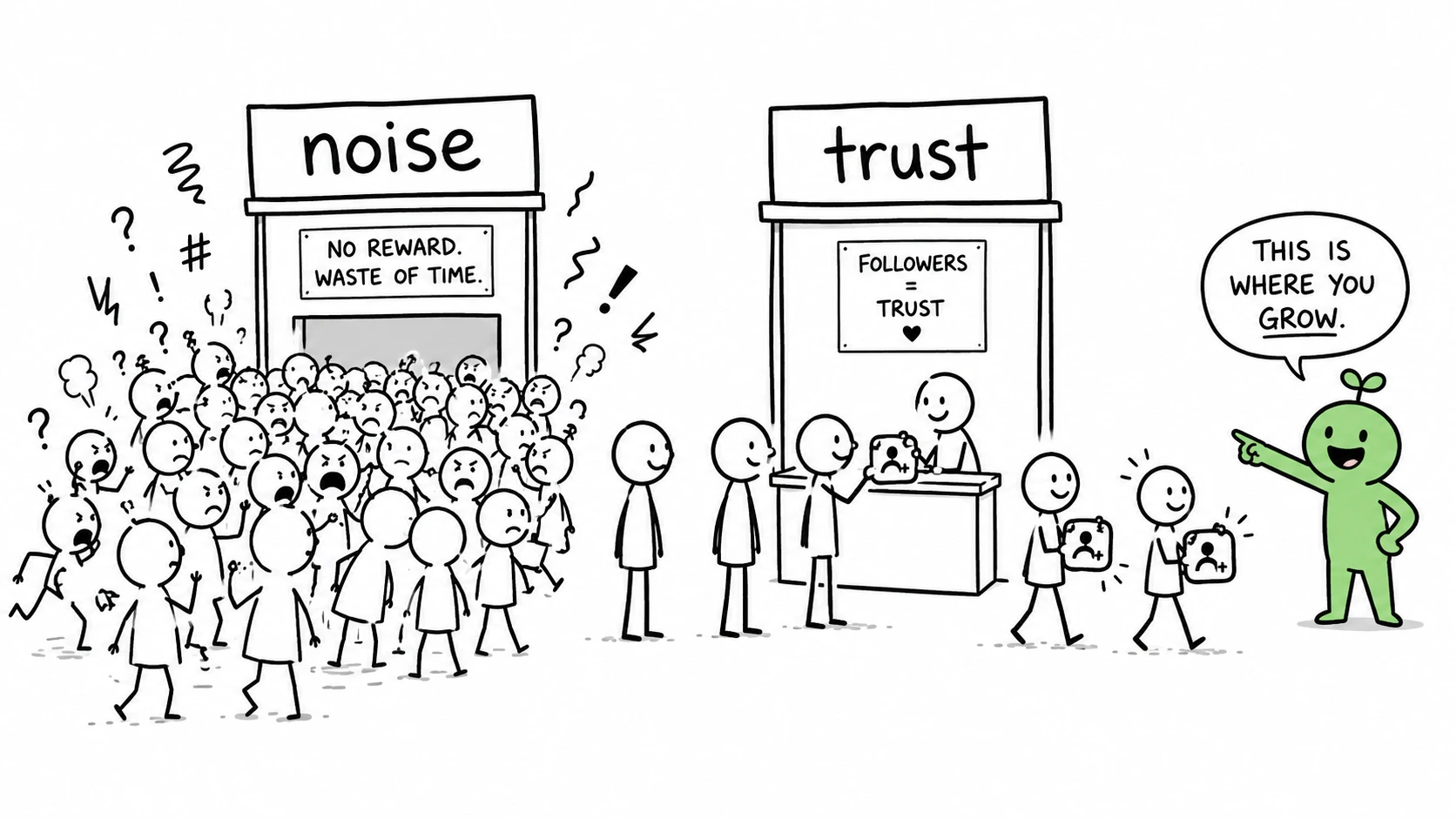
The creator who wins makes less noise and earns more trust.
Noise gets attention once.
Trust gets the next follow.